
Key Takeaways
- Routine inspections and quick fixes avert significant damage and costly repairs.
- Smart habits—including proper disposal methods and regular maintenance—help preserve fixtures and pipes.
- Maintaining optimal water pressure minimizes stress on your system and extends its lifespan.
Maintaining a reliable plumbing system is essential for both the comfort and safety of your home. Whether you’re dealing with daily wear and tear or preparing for seasonal shifts, consistent plumbing maintenance can prevent costly damage, retain water efficiency, and ward off emergency repairs. Investing time into care—and understanding best practices—makes all the difference in plumbing longevity. For residents and homeowners seeking professional assistance, local plumbing experts like Lakeland Plumbing offer expert solutions tailored to local plumbing needs.
By paying close attention to your home’s plumbing systems, such as monitoring for leaks and adopting preventive measures, you not only protect your property but also save money in the long run. Proactive care prevents the headache of sudden malfunctions while ensuring a safe and uninterrupted water flow to meet your family’s needs.
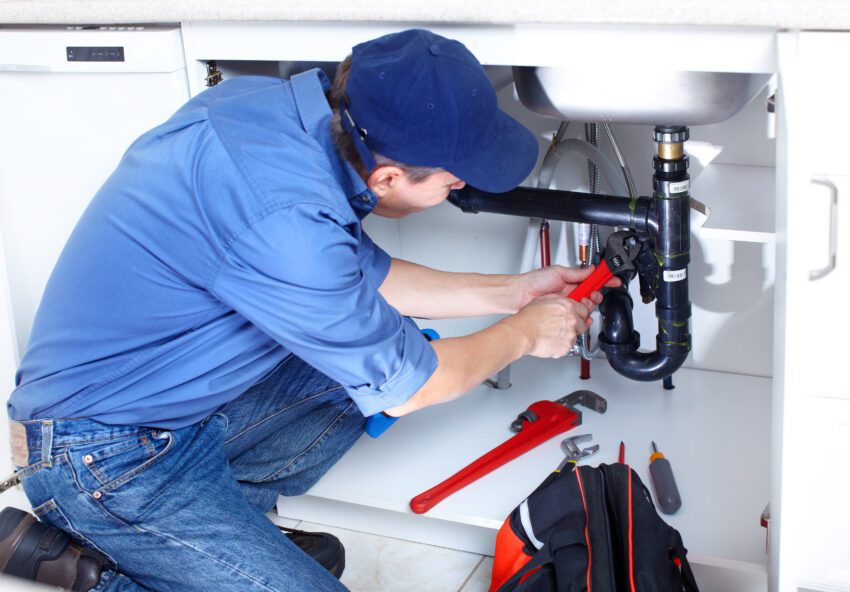
Every part of your plumbing—from faucets to water heaters—requires periodic attention, but you don’t have to go it alone. Enlisting the help of a licensed plumber ensures expert diagnosis and efficient solutions, particularly for persistent or concealed issues.
Regularly Inspect and Maintain Faucets and Fixtures
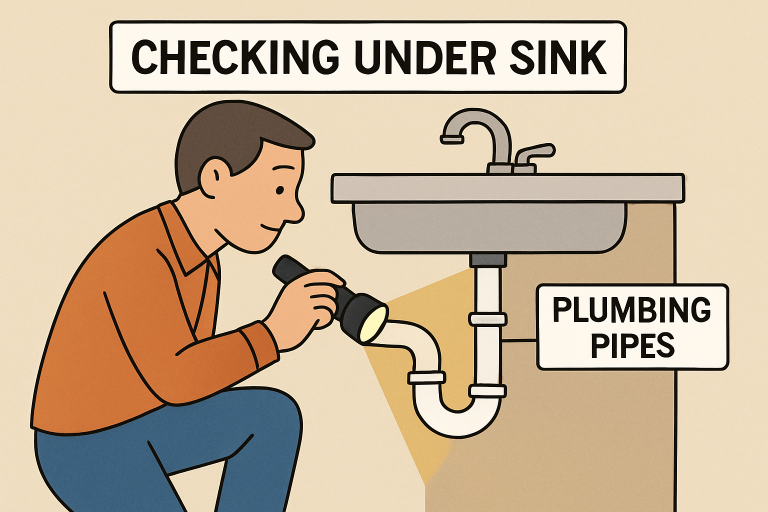
Tiny leaks can cause significant headaches if left unaddressed. Inspect your faucets, showerheads, and toilets for stray drips or slow leaks—a sign that washers or seals may need replacement. Not only does this simple check conserve water, but it also guards your cabinetry, flooring, and drywall against gradual water damage. Don’t overlook exposed pipes under sinks or around appliances, either; catching corrosion or moisture early gives you a head start on prevention.
Avoid Chemical Drain Cleaners
When faced with clogs, it’s tempting to reach for harsh chemical cleaners. However, these products can erode pipes over time and harm the environment. Instead, opt for mechanical solutions such as plungers or drain snakes, which are both effective and far gentler on your system. For severe or recurring blockages, consult a certified plumber to investigate the issue thoroughly and safely. The Environmental Protection Agency recommends mechanical cleaning over chemical alternatives to protect both pipes and water quality.
Prevent Clogs with Proper Disposal Habits
Solid waste, grease, coffee grounds, and fibrous food scraps are among the main culprits behind kitchen clogs. Pour grease into a container for disposal, and consider installing sink strainers to catch debris. In the bathroom, only flush toilet paper, wipes, feminine products, and paper towels are guaranteed to cause trouble. Simple habit changes like these are effective first lines of defense that can save you expensive repairs down the line.
Monitor Water Pressure
Household water pressure should range between 60 and 80 psi. Excessive pressure stresses joints and gaskets, causing premature wear and eventual leaks. To check your pressure, purchase an inexpensive pressure gauge from a hardware store and attach it to an outdoor spigot. If levels are consistently high, installing a pressure-reducing valve may be necessary to maintain optimal levels. The Family Handyman offers step-by-step guidance for at-home testing and maintenance.
Inspect Your Water Heater
Your water heater is essential for household comfort. Inspect it once a year for signs of rust, corrosion, or active leaks. Draining a few gallons from the tank helps flush out sediment, improving heat efficiency and prolonging the appliance’s life. If the heater is over ten years old or if you notice persistent issues, consider a professional inspection to assess whether a replacement or major repair is warranted.
Know Where Your Main Shut-Off Valve Is
Locating and labeling the main water shut-off valve should be a priority for all homeowners. In a plumbing emergency, such as a burst pipe, quick access to this valve can prevent catastrophic water damage. Familiarize yourself and every member of your household with its location—typically near the perimeter of your home, where the main line enters or close to the water meter.
Prevent Frozen Pipes in Winter
If you live in a region with harsh winters, exposed pipes in basements, crawl spaces, and exterior walls are especially vulnerable to freezing. Wrap these pipes with insulation or heat tape before temperatures drop. Letting a faucet drip in extreme cold keeps water moving, reducing the risk of freezing. For more in-depth information, consult the New York Times guide on winter plumbing.
Schedule a Professional Plumbing Inspection
Make yearly plumbing inspections part of your home maintenance schedule. Even with vigilant care, some problems linger out of sight—in walls, under floors, or behind fixtures. Routine checkups by a licensed plumber can identify hidden leaks, aging pipes, or system weaknesses before they become emergencies, keeping your home’s plumbing safe and efficient all year.
Incorporating these maintenance tips into your routine can significantly reduce the likelihood of unexpected repairs and expensive water-related issues. By staying proactive—checking for small leaks, monitoring water pressure, and ensuring fixtures and appliances are functioning properly—you not only protect your home but also use water more efficiently. This mindful approach supports long-term resource conservation and helps prevent problems from growing unnoticed. Ultimately, a little attention now can save time, money, and stress later, giving you greater confidence and peace of mind knowing your plumbing system is dependable and well-maintained.