

Table of Contents
- Seal Entry Points
- Secure Food Sources
- Install Motion-Activated Devices
- Maintain Landscaping
- Use Ultrasonic Repellers
- Regular Home Inspections
- Seek Professional Assistance
- Conclusion
Homeowners often face challenges from wildlife intrusions, which can lead to property damage and health concerns. With thoughtful planning and a few strategic upgrades, you can reduce your risk of nuisance animal encounters. Proactive steps to secure your house make your living environment safer for your family and less attractive to animals. If you are looking for guidance on how to secure your home, wildlife exclusion repair offers valuable tips for keeping unwanted visitors out and minimizing potential hazards from critters.
Understanding how and why animals enter your property is essential for taking control of the situation. Wildlife seeks shelter, food, and safe passage. Small vulnerabilities in your property’s structure or routine can be all it takes to invite these creatures inside. Implementing deliberate solutions not only protects your home but also prevents you from unwittingly creating unhealthy interactions between people and local wildlife.
One important step in comprehensive wildlife management is to properly address the presence of animals already in or around your home. For situations where animals are inside the premises or causing persistent issues, reliable wildlife removal ensures their safe and humane handling while preventing future intrusions.
Seal Entry Points
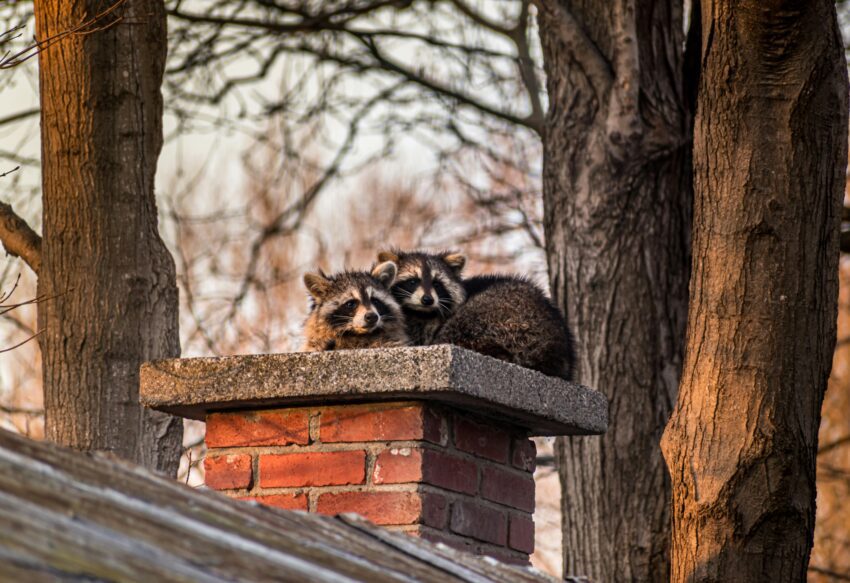
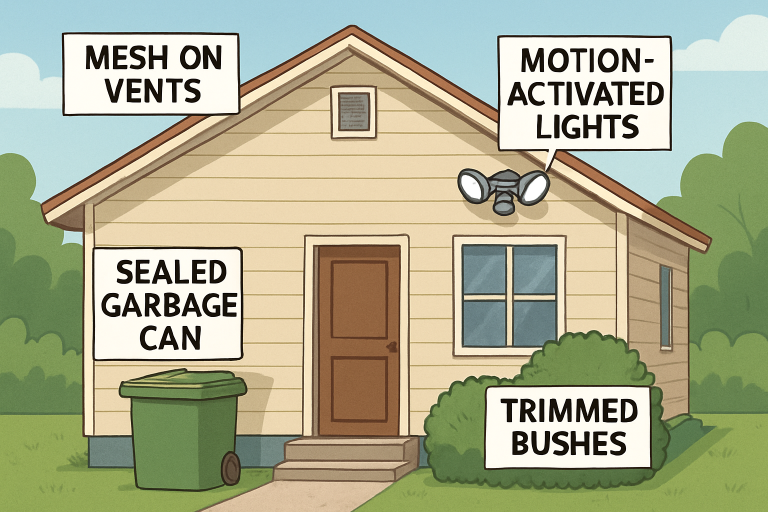
Wild animals are resourceful and often exploit the smallest gaps to enter your living space. Common entry points include vents, chimneys, crawl spaces, and attic openings. Regularly inspect your property for these vulnerabilities, especially during seasonal changes when animals seek new shelter. Seal any cracks or holes you discover with hardware cloth, caulk, steel wool, or weatherproof foam. Installing sturdy mesh screens over vents and chimney caps prevents curious or desperate animals such as raccoons, squirrels, or bats from getting inside, and roof vent covers offer extra protection without blocking airflow. Experts recommend homeowners pay particular attention before winter and storm seasons when animal intrusion attempts spike. This initial step is among the most humane and effective ways to reduce unwanted wildlife without disrupting local ecosystems.
Secure Food Sources
One of the main reasons wildlife flocks to residential areas is the availability of food. Unsecured garbage cans are a major attractant. Store trash inside a garage or shed until pick-up day, use sturdy cans with tight-fitting lids, and double-bag any garbage that could leak odors. Compost can also lure foragers if not managed correctly; use sealed compost bins and avoid meat or dairy scraps that attract opportunistic animals. Bird feeders, while enjoyable, can attract unwanted critters. An alternative is to plant native shrubs, flowers, and seed-bearing plants, such as sunflowers, to nourish birds and pollinators more naturally, without the mess and risk of invasion by larger wildlife.
Install Motion-Activated Devices
Technological deterrents are a humane and non-toxic approach for deterring a broad spectrum of animals. Motion-activated lights and sprinkler systems deliver a sudden stimulus that scares wildlife away. Place these devices along the perimeter, near gardens, or anywhere animals are most likely to approach. This type of deterrent is especially effective against nocturnal visitors such as raccoons, deer, or stray cats. Regularly repositioning motion-activated devices prevents animals from growing accustomed to the surprise, making these solutions reliable over time.
Maintain Landscaping
Dense shrubs, overhanging trees, and cluttered yard debris provide excellent cover, travel corridors, and hiding spots for wildlife. Regularly trimming tree branches back at least five to six feet from your house and roof will discourage creatures such as squirrels and raccoons from accessing your roof or attic. Clear dead leaves, thick ground cover, and overgrown hedges from around the house foundation to minimize rodent and reptile hiding places. Regular maintenance not only enhances security but also improves your home’s appearance and curb appeal.
Use Ultrasonic Repellers
Ultrasonic devices emit high-frequency sounds that are uncomfortable to many types of wildlife but typically imperceptible to humans. These can serve as an additional line of defense for specific trouble spots. Ultrasonic repellents are most effective when deployed as part of a broader effort that includes physical barriers and property maintenance. However, their results can vary by animal species and environmental layout, so consider these tools as a supplement, not a sole solution.
Regular Home Inspections
Frequent, scheduled inspections are essential to long-term wildlife exclusion. At the start of each season, walk the perimeter of your home with a flashlight and a hand mirror, looking closely for gnaw marks, displaced insulation, fresh droppings, or suspicious noises that could indicate animal activity. This practice helps you detect issues before they evolve into serious infestations requiring structural repair or professional intervention. Immediate remediation of new gaps and constant vigilance are key to staying ahead of persistent wildlife.
Seek Professional Assistance
Despite your best efforts, some wildlife intrusions may require expert intervention. Local professionals can provide a thorough inspection, recommend customized exclusion strategies, and humanely remove any animals present in or around your home. These experts can also repair compromised building components, ensuring a more permanent, long-lasting defense against repeat issues. Involving professionals guarantees your home remains secure while also respecting local wildlife conservation efforts.
Conclusion
Defending your property from wildlife starts with preventive measures such as sealing entry points, securing food sources, and using technology-based deterrents. Simple actions like regular landscaping maintenance and home inspections go a long way to keeping your home safe and comfortable. Enlisting professional help when needed further ensures you address ongoing or complex situations humanely and effectively. By applying these strategies, you can live confidently, knowing your household is protected from wildlife intrusions.