

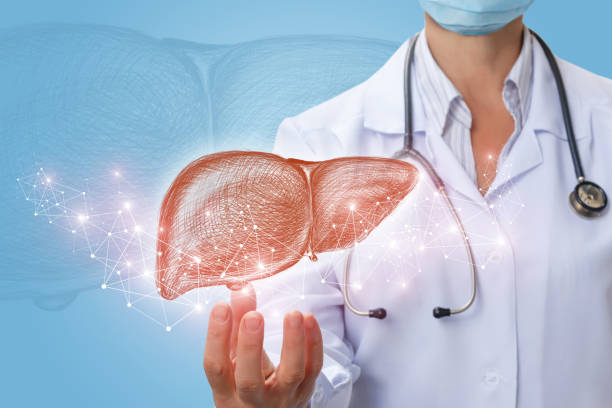
People don’t tend to think about their liver until something goes wrong. The problem is, the liver is always hard at work, and its function affects much more than just digestion. A small decline in liver function can have widespread effects in areas you wouldn’t normally associate with liver function. Your mid-afternoon energy slump, skin that just won’t clear no matter what you do, and even the brain fog that makes focusing feel impossible. These seemingly unrelated symptoms often point to the same underlying problem.
The Liver Does So Much More Than Just Detoxify
Most people will answer that the liver’s function is to detoxify the body. The reality is much more fascinating and nuanced. The liver metabolizes everything that enters the body: food, drugs, supplements, toxins and even stress hormones. It extracts what’s beneficial and packages the waste for removal. When this finely tuned mechanism slows down or gets overwhelmed, a back-up occurs and the symptoms can show up in all over the body.
The liver produces bile. An organ people usually don’t think about until they have a gallbladder problem. Bile does more than help break down dietary fats. It detoxifies the body while helping it absorb fat-soluble vitamins A, D, E and K. If a person doesn’t produce enough bile, they can still be deficient in these vitamins despite following a perfect diet. This is one reason some people can eat the best diet and still feel terrible.
The Liver Affects Energy Levels
Now here’s the frustrating part for many people: they get enough sleep, they eat a reasonably healthy diet, and they take their vitamins but by mid-afternoon, they hit an energy slump. The liver helps regulate blood sugar levels. It stores sugar as glycogen and releases it into the bloodstream when levels drop. When liver function declines, this process breaks down resulting in unpredictable blood sugar levels throughout the day. This causes energy slumps and extreme food cravings.
The liver also metabolizes thyroid hormones into their active form. If the body can’t do this efficiently, thyroid hormone levels can be normal, but they still feel all the symptoms of an underactive thyroid: fatigue, weight gain, cold feelings in the extremities and even depression. People who wish to learn more about this liver role can look into Barbara O’Neill’s take on liver health for easy ways to support liver health using natural methods.
The Liver Affects Skin Conditions
Dermatologists often treat skin conditions with topical creams and sometimes this works. Other times, persistent acne, eczema, psoriasis or rashes that don’t respond to treatment can have an internal cause. If the liver stops processing and eliminating toxins, the body has no choice but to find alternative means of eliminating those toxins. People start spending hundreds of dollars on skin care products when the problem often lies elsewhere, in the liver.
Hormonal acne is a classic symptom of declining liver function because the liver is responsible for breaking down excess hormones including estrogen and testosterone. When liver function deteriorates, these hormones build up resulting in acne breakouts that occur mostly along the jawline and chin. Women often say it gets worse in the days leading up to their menstruation cycle when hormone levels are fluctuating.
Brain Fog and Mood Changes
There’s been a lot of focus on the connection between the gut and brain. The liver also has a connection to the brain that shouldn’t be ignored. If someone’s liver function isn’t high enough to clear ammonia from the blood, it builds up and starts to affect cognitive function. Symptoms include an inability to focus on tasks, memory issues and that sluggish feeling in the head that just won’t lift.
Some people also report feelings of anxiety or depression that are linked to liver problems. The liver regulates neurotransmitters and hormones that can affect mood. When liver function declines, these functions become unbalanced resulting in worsened anxiety or depression. This doesn’t mean an under-functioning liver causes mood disorders but it can certainly make it more difficult to cope if someone is already suffering from anxiety or depression.
What Promotes Good Liver Function
Most detox programs promise to “detox” your liver in less than seven days but there’s a caveat: the liver does not need cleansing; it needs support. The detoxification process occurs in phases and requires specific nutrients to function well.
Phase 1 detoxification reactions metabolize toxins but Phase 2 detoxification reactions package these metabolites for removal. If Phase 1 reactions outpace Phase 2 reactions (like when alcoholics drink excessively), this produces toxins that build up inside cells and cause damage.
Cruciferous vegetables such as broccoli, cauliflower and Brussels sprouts contain nutrients that help support both Phase 1 and Phase 2 detoxification reactions. So do sulfur-rich foods like garlic and onions. Protein also promotes detoxification because the body needs amino acids for Phase 2 detoxification reactions. A very low protein diet (which some people think they should follow to attain good health) actually inhibits proper detoxification.
Most people don’t realize that hydration is an important part of detoxification. The liver processes waste products, but it needs ample hydration in order to synthesize bile and push waste products into the intestines for removal. When someone becomes dehydrated, this process slows down resulting in all kinds of problems.
Dehydration also causes bile to thicken in the gallbladder which slows it down and results in a less effective bile product. A moderate intake of coffee promotes bile flow which is why many people feel amazing after their morning cup.
A Realistic Time Frame for Liver Recovery
When someone starts supporting their liver to perform its functions properly again, they shouldn’t expect to feel healthy overnight. Liver cells regenerate slowly but steadily so some symptoms may improve within days or weeks such as digestion issues, energy levels and even cognition. The appearance of the skin can take months though as it takes time for skin cells to regenerate and it may even reflect lifestyle changes from some time ago.
Some people initially feel worse when they start giving support to a poorly functioning liver. This might be an indication that the liver has to process the toxins it previously struggled with (this may vary depending on the type of support given) so it’s best to introduce dietary or lifestyle changes slowly to avoid overwhelming an already overworked organ.
The liver affects almost every aspect of our health and supporting its functions doesn’t take much effort, but it does require realistic expectations and consistent habits over time.