

Key Takeaways
- The right neighborhood should fit your monthly budget, daily routine, and likely future plans.
- Compare complete ownership costs, not just the list price or maximum loan approval amount.
- Different Treasure Valley communities offer distinct trade-offs in commute times, housing styles, space, services, and outdoor access.
- Visit neighborhoods more than once and verify school boundaries, HOA rules, zoning, and planned development before making an offer.
Buying a first home is about more than finding attractive finishes or enough bedrooms. The surrounding streets, drive times, nearby services, noise levels, and future development can shape everyday life just as much as the home itself. A property that feels perfect during a quick showing may feel less practical after a weekday commute or an evening walk around the block.
For buyers comparing Eagle, Boise, Meridian, Star, and nearby communities, Eagle real estate experts Rebekka Hauskins Real Estate provide home search, valuation, and neighborhood guidance for Eagle and the surrounding Idaho areas. Rebekka Hauskins Real Estate combines local market knowledge with experience in single-family homes, property management, and investments, making it a useful resource for first-time buyers who need help weighing location, property condition, resale potential, and the purchase process.
Why Neighborhood Choice Matters More Than Listing Photos
Two homes with a similar price can create very different lifestyles. One may offer a shorter trip to work, mature trees, and established services. Another may have newer construction, more square footage, and a longer drive. Neither is automatically better. The goal is to choose a neighborhood that supports how you live now while leaving reasonable flexibility for future changes.
Think beyond the initial viewing. Reflect on where you shop for groceries, how frequently you visit parks, if nearby childcare is necessary, and how much time you’re willing to spend commuting. These practical considerations can be more significant over time than aesthetic features like a backsplash or a staged living room.
Start With a Realistic Monthly Budget
Begin with a comfortable monthly payment range rather than the highest amount a lender may approve. Your total housing cost should account for mortgage principal and interest, property taxes, homeowners’ insurance, HOA dues, utilities, internet service, routine maintenance, fuel, and an emergency reserve for repairs.
Compare the Full Cost
For example, a lower-priced home farther from work may appear to save money. But high HOA dues, a longer commute, higher fuel costs, and extra vehicle wear can narrow or erase that advantage. A slightly higher-priced home closer to daily destinations may be the more comfortable long-term fit. Ask for an estimated monthly cost for each property, then compare the numbers side by side.

Compare Boise-Area Communities by Buyer Goal
Use city names as a starting point, not a ranking. Conditions can vary significantly by subdivision, street, and home type.
- Boise: May appeal to buyers seeking downtown access, established neighborhoods, major services, and proximity to the foothills. Consider parking, traffic, lot age, and renovation needs.
- Eagle: May suit buyers who value space, suburban surroundings, outdoor recreation, and higher-end home options. Test the commute and consider maintenance demands for larger homes or lots.
- Meridian: Often offers newer housing, shopping, planned communities, and access to major roads. Review HOA rules, traffic patterns, and nearby construction.
- Star and Kuna: Can offer a quieter pace, newer homes, and room to grow. Determine whether added drive time works for your schedule.
- Nampa and Caldwell: May provide more price flexibility and a broader mix of homes. Compare commute routes, services, school boundaries, and neighborhood growth.
- Middleton and Emmett: May fit buyers seeking a slower pace, larger lots, or a more rural setting. Confirm that work, healthcare, shopping, and other regular needs remain convenient.
Use a Neighborhood Scorecard
Score each area from one to five before touring many homes. A simple scorecard prevents one exciting listing from taking over the decision. Rate monthly affordability, commute time, schools or childcare access, parks, shopping, healthcare, home maintenance needs, traffic, noise, resale appeal, future development risk, and your overall comfort after visiting.
Add notes beside each score. A neighborhood with limited walkability may still be the right choice if it provides the privacy, lot size, or monthly value you need. The purpose is to identify tradeoffs clearly, not to find a perfect score.
Check Commute Patterns at Different Times
Drive your likely route during the morning and evening rush hours, and on weekends. Also test access to major roads, schools, grocery stores, and your most frequent destinations. Map apps are helpful, but they cannot fully show school pickup traffic, roadwork, winter conditions, or delays at busy intersections.
A 15-minute difference each way can add up to many hours every month. Treat travel time as part of the home’s real cost, especially if you expect to commute regularly or drive children to activities.
Look Beyond the House and Study the Block
Walk around the area during daylight hours and again at night. Observe sidewalks, streetlights, parking options, traffic noise, train or airport activity, drainage systems, and traffic flow. Check out nearby vacant lots too; what’s open now could later be developed into homes, shops, or roads. Outdoor access significantly influences the lifestyles of Treasure Valley buyers.
Review Schools, Zoning, and Future Projects
Verify important details through official sources instead of relying on listing descriptions or social media. Confirm school boundaries for the exact address, review HOA documents, ask about irrigation or flood-related considerations, and investigate planned roads, subdivisions, and commercial projects nearby.
Compare Home Types, Not Just Cities
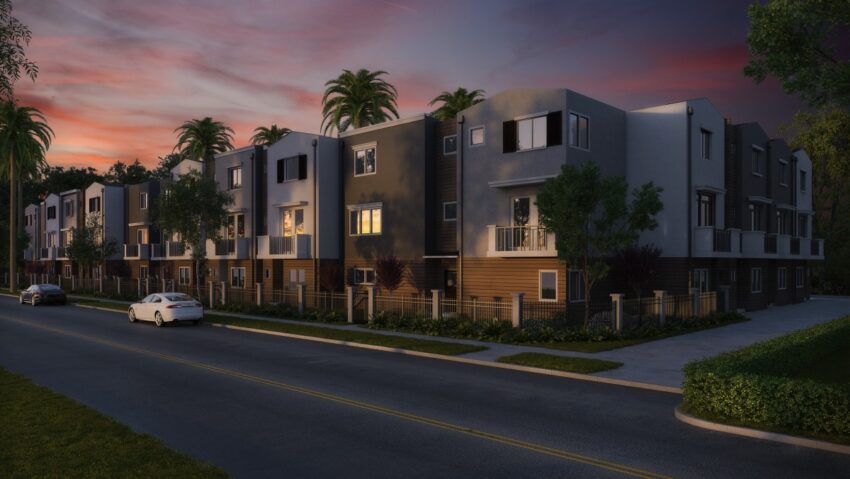
- Townhomes: Often reduce exterior maintenance but may involve shared walls, HOA fees, and use restrictions.
- New construction: May include modern systems and builder warranties, but lot placement, upgrades, landscaping, and construction nearby still matter.
- Older homes: Can offer established locations and mature landscaping, but roofs, plumbing, electrical systems, windows, and foundations should be carefully inspected.
- Large-lot or rural homes: Provide privacy and room, yet may require attention to wells, septic systems, private roads, and longer service trips.
Common Mistakes to Avoid
- Choosing solely by the lowest list price.
- Skipping a second visit at a different time of day.
- Assuming every part of one city has the same resale demand.
- Ignoring HOA fees, rules, or likely maintenance costs.
- Falling in love with finishes before reviewing inspection findings and neighborhood fit.
A Simple Seven-Step Plan
- Set a comfortable monthly budget.
- List your five most important daily needs.
- Choose three to five areas to compare.
- Build a neighborhood scorecard.
- Visit each area at different times.
- Review costs, schools, zoning, HOA rules, and future projects.
- Tour homes seriously only after the neighborhood passes your first review.
Conclusion
The best Boise-area neighborhood in 2026 is not the same for every first-time buyer. A strong choice supports your budget, commute, preferred home style, lifestyle, and future goals. By comparing total costs, visiting communities carefully, and researching potential changes around a property, you can make a calmer, more informed decision.