

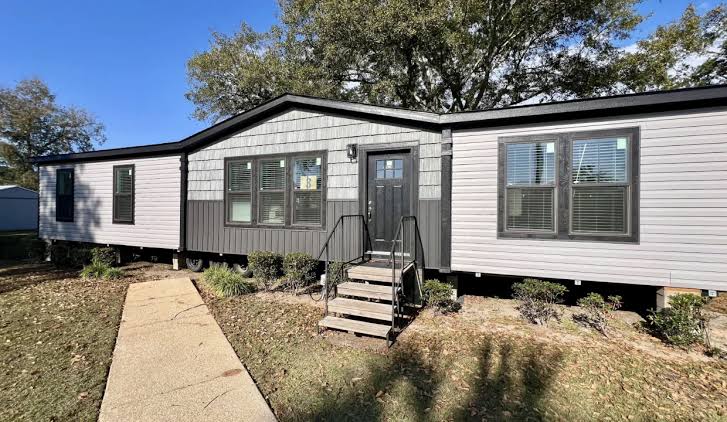
Key Takeaways
- Mobile home insurance is not the same as standard homeowners insurance and requires specialized protection.
- Policies typically cover the structure, personal property, liability, and sometimes additional living expenses.
- Premiums depend on factors such as location, age of the home, and its current condition.
- It’s necessary to understand exclusions and optional coverages for complete protection.
Mobile homes offer a practical and affordable way to own a home, but insuring them can feel complicated. With unique structures and risks, mobile home owners need specialized insurance to protect their investment. If you’re considering a mobile home or already own one, understanding your insurance options is essential.
Unlike traditional site-built homes, mobile homes are exposed to different risks, ranging from transportation damage to higher vulnerabilities to natural disasters. These differences make it crucial to choose the right policy and coverage. The cost of insurance, policy features, and coverage specifics can all impact how well your property and belongings are protected.
Making sense of your coverage requires careful attention to the terms and exclusions. With many policies to consider and a range of factors affecting your premium, selecting the right insurance can help you avoid unpleasant surprises after a loss.
To learn more about general insurance concepts and updates on policies, you can explore trusted resources from Consumer Reports, which regularly reviews insurance options for homeowners.
What Is Mobile Home Insurance?
Mobile home insurance provides protection tailored to the unique nature of manufactured and mobile homes, shielding them from risks such as fire, theft, severe storms, and liability. Unlike policies meant for site-built homes, these plans account for the characteristics and vulnerabilities of factory-built structures, giving you coverage where standard policies may fall short.
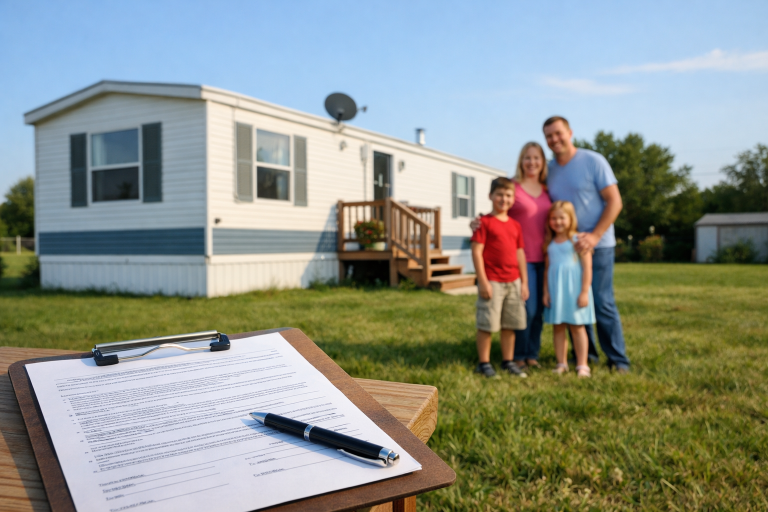
How Does Mobile Home Insurance Differ from Standard Homeowners Insurance?
Mobile home insurance, often called an HO-7 policy, is designed specifically for homes built in factories and transported to their final locations. Since mobile homes can be moved and have unique construction practices, insurers adjust their risk calculations and policy terms accordingly. The design, ability to relocate, and placement of the home are all considered in coverage determination, which differs considerably from standard site-built home insurance (often called HO-3). For homeowners, this means certain risks are assumed to be higher, and policies adjust details such as coverage limits and exclusions to meet these needs.
What Does Mobile Home Insurance Typically Cover?
A standard mobile home policy will generally include four primary components:
- Dwelling Coverage: This form of coverage helps repair or replace the structure of your home, including attached features, after a disaster that’s listed as a covered peril.
- Personal Property Coverage: Protection for the belongings inside your home, such as clothing, appliances, and electronics, in case they are damaged or stolen.
- Liability Protection: If someone is injured while on your property or you accidentally cause damage to others’ property, liability protection can help with legal and medical expenses.
- Additional Living Expenses: If a covered event makes your home uninhabitable, this pays for temporary housing and related costs while repairs are completed.
The scope of these protections varies somewhat by provider and precise policy terms, so always review coverage details before making a purchase.
What Are Common Exclusions in Mobile Home Insurance Policies?
Most standard mobile home insurance policies have important exclusions homeowners should watch for, including:
- Flood damage is almost always excluded and requires a separate policy, available through providers participating in the National Flood Insurance Program.
- Earthquakes: Damage from earthquakes usually requires either a special rider or a standalone policy.
- Wear and Tear: Natural deterioration, including age-related problems and lack of maintenance, is not covered by insurers.
Carefully review your policy’s list of exclusions to be clear on what incidents are not covered. Consult consumer-oriented guides, such as those from Forbes Advisor, for advice when evaluating exclusions and supplemental coverage needs.
How Much Does Mobile Home Insurance Cost?
Annual premiums for mobile home insurance typically range from $700 to $1,500. Factors that impact the price include:
- Location: Houses in areas prone to natural hazards, such as hurricanes or tornadoes, almost always have higher premiums due to increased risk.
- Age and Condition: Older mobile homes or those that haven’t been well-maintained may cost more to insure.
- Coverage Limits: The more protection you seek for your home and belongings, the higher your premium will be.
Adding safety modifications (such as burglar alarms) and combining multiple policies with a single insurer can sometimes lead to discounts and lower premiums.
Are There Optional Coverages Available?
Many insurance companies offer optional enhancements to standard mobile home policies, such as:
- Replacement Cost Coverage: Instead of reimbursing based on depreciated value, this option pays for the cost of replacing damaged items or home components with new ones.
- Trip Collision Coverage: This protects your investment while the mobile home is being transported from one location to another.
- Extended Coverage for Detached Structures: Sheds, free-standing garages, or workshops can be included in your policy for a small additional premium.
Adding selected optional coverages helps ensure that your insurance provides meaningful financial protection tailored to your needs.
Is Mobile Home Insurance Legally Required?
While mobile home insurance is not mandatory under federal or state law, it is almost always required by mortgage lenders as a condition of financing. Even if you own your home outright, purchasing insurance is a wise step to protect your investment and shield you from costly liability claims or loss events.
How Can I Find the Best Mobile Home Insurance Policy?
Finding the best insurance starts with comparing quotes from several reputable insurers. Assess your unique coverage needs, taking into account the value of your home and personal possessions.
- Compare Quotes: Review offerings from several companies to find the right combination of coverage and cost.
- Assess Coverage Needs: Consider the replacement cost of your mobile home and the potential financial impact of liability claims.
- Check Insurer Reputation: Look into customer reviews, the company’s financial strength, and its responsiveness to claims before making your choice.
Working with an insurance agent who understands mobile homes can further simplify your selection process and highlight features or discounts you might not have considered.
Explore more about coverage options and industry tips by visiting Progressive’s mobile home insurance guide and the Insure.com guide on mobile home insurance. These resources are updated regularly to keep you informed about changes in the insurance landscape.