

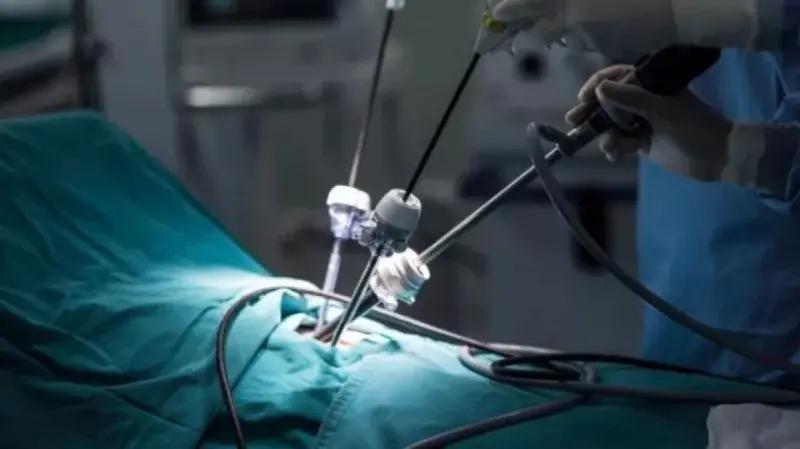
Medical technology has advanced significantly over the past few decades, making it possible to treat many health conditions with less invasive techniques than traditional surgery. Minimally invasive medical procedures have become increasingly popular because they often reduce recovery time, minimize discomfort, and allow patients to return to their normal routines more quickly.
From orthopedic care to cardiovascular treatments and ear, nose, and throat (ENT) procedures, minimally invasive approaches have transformed patient care across many medical specialties. Understanding what these procedures involve and what to expect before, during, and after treatment can help patients feel more confident when discussing their options with a healthcare provider.
What Are Minimally Invasive Procedures?
A minimally invasive procedure is designed to treat a medical condition while causing as little disruption as possible to surrounding tissues. Instead of large incisions or extensive surgery, physicians often use specialized instruments, small cameras, flexible catheters, or advanced imaging technology to perform treatment with greater precision.
Many minimally invasive procedures can be completed in an outpatient setting, allowing patients to return home the same day. While every treatment is different, the overall goal is to provide effective results while reducing recovery time and improving the patient experience.
Benefits of Minimally Invasive Treatment
Although every medical procedure carries some level of risk, minimally invasive techniques offer several potential advantages for appropriate candidates. Some of the most common benefits include:
- Smaller or no surgical incisions
- Reduced damage to healthy tissue
- Less postoperative discomfort
- Lower risk of certain complications
- Faster recovery compared to many traditional surgeries
- Quicker return to work and daily activities
The specific benefits vary depending on the procedure and each patient’s overall health.
Preparing for Your Procedure
Preparation typically begins with a consultation and thorough medical evaluation. Your healthcare provider will review your medical history, discuss your symptoms, perform any necessary examinations, and determine whether a minimally invasive approach is appropriate for your condition. Depending on the procedure, you may undergo imaging studies, laboratory testing, or other diagnostic evaluations beforehand. Your provider will also explain any medications that should be temporarily adjusted and provide instructions regarding eating, drinking, or arranging transportation if sedation will be used.
Having a clear understanding of the procedure and recovery process can help reduce anxiety and ensure that you are well prepared for treatment.
During the Procedure
The experience varies depending on the type of treatment being performed. Some minimally invasive procedures require only local anesthesia, while others may involve sedation or general anesthesia. Throughout the procedure, physicians use specialized instruments designed to reach the treatment area with minimal disruption to surrounding tissues. Advanced imaging or endoscopic technology often allows providers to perform treatment with a high degree of accuracy while preserving healthy structures. Because these techniques are less invasive than many traditional surgeries, procedures are often completed more efficiently, and patients frequently spend less time in recovery before returning home.
Balloon Sinuplasty as an Example
One example of a minimally invasive ENT procedure is balloon sinuplasty, which is used to treat certain cases of chronic sinusitis. Instead of removing bone or tissue, a small balloon catheter is inserted into the blocked sinus passage and gently inflated to widen the natural opening. This improves sinus drainage while preserving the surrounding anatomy.
Patients considering balloon sinuplasty in Culver City can consult with an ear, nose, and throat (ENT) specialist to determine whether the procedure is appropriate for their condition. For suitable candidates, balloon sinuplasty may help relieve chronic congestion, facial pressure, and recurring sinus infections while offering a shorter recovery period than traditional sinus surgery.
Recovery After Minimally Invasive Procedures
Recovery is often one of the greatest advantages of minimally invasive care. While healing times vary depending on the procedure, many patients experience less discomfort and are able to resume normal activities sooner than they would after conventional surgery. Following your provider’s post-procedure instructions is essential for achieving the best possible outcome. This may include taking prescribed medications, attending follow-up appointments, limiting certain activities for a short period, and monitoring for any unusual symptoms. Although recovery is generally faster, patients should remember that proper healing still takes time, and following medical guidance supports long-term success.
Choosing the Right Treatment
Not every condition can be treated using minimally invasive techniques, and not every patient is an ideal candidate. The most appropriate treatment depends on factors such as the severity of the condition, overall health, medical history, and individual treatment goals. An experienced healthcare provider can explain the available options, discuss the benefits and limitations of each approach, and help patients make informed decisions based on their unique circumstances.