

Key Takeaways
- Identify the primary purpose of your fence to guide material and design choices.
- Consider local climate and maintenance requirements when selecting materials.
- Be aware of local regulations and property boundaries before installation.
- Choose a fence style that complements your home’s architecture and landscape.
Understanding Your Fencing Needs
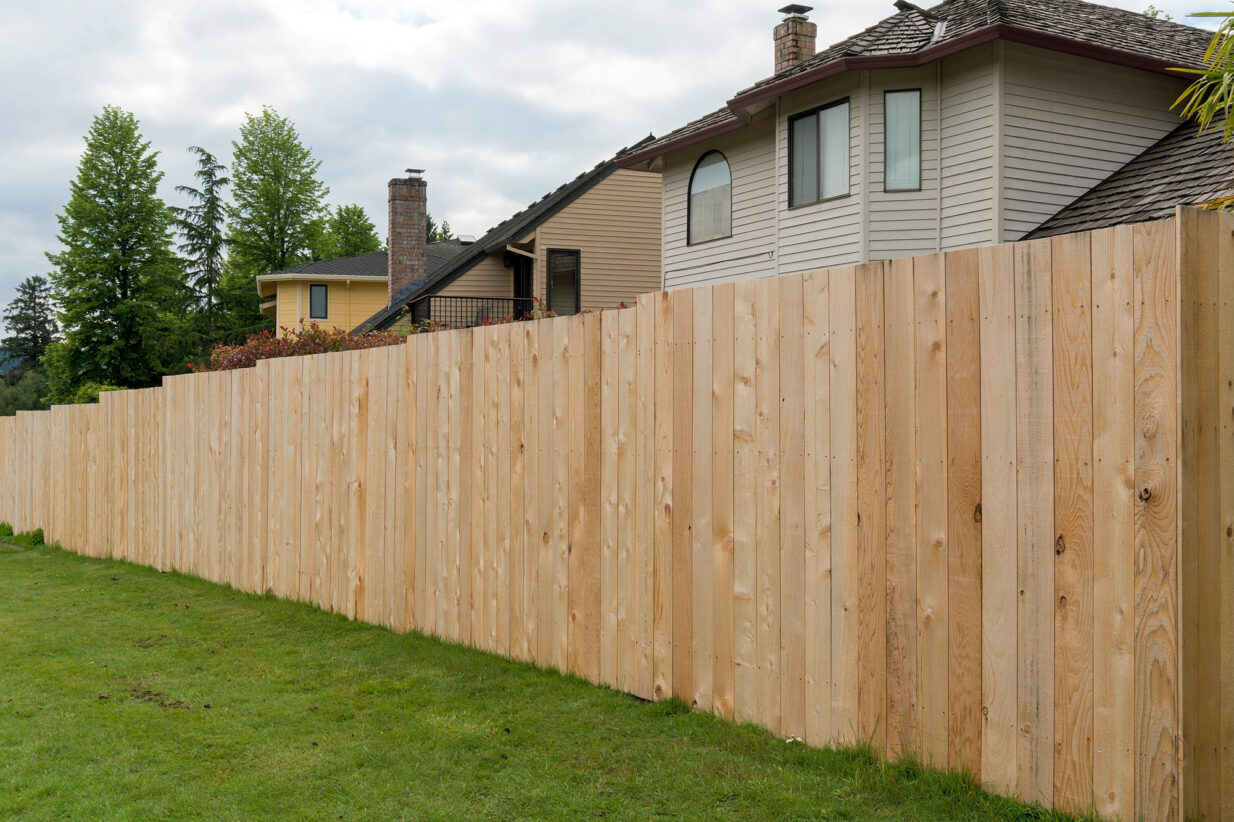
Determining the main reason for installing a fence is the critical first step. Some homeowners prioritize privacy, while others need security, aesthetic enhancement, or a safe space for pets and children. Clarifying your goals narrows your options and helps you make the best decision for your property and lifestyle. For those who need expert advice, local professionals specializing in fences can guide you toward materials and styles that align with your needs.
Beyond function, think about how the fence will integrate with existing landscaping and structures. Consider whether you want your fence to blend into the background, stand out as a design feature, or serve a particular role such as noise reduction or wind protection.
Evaluating Material Options
The choice of material largely determines your fence’s longevity, maintenance demands, and appearance. Homeowners can choose from several popular options:
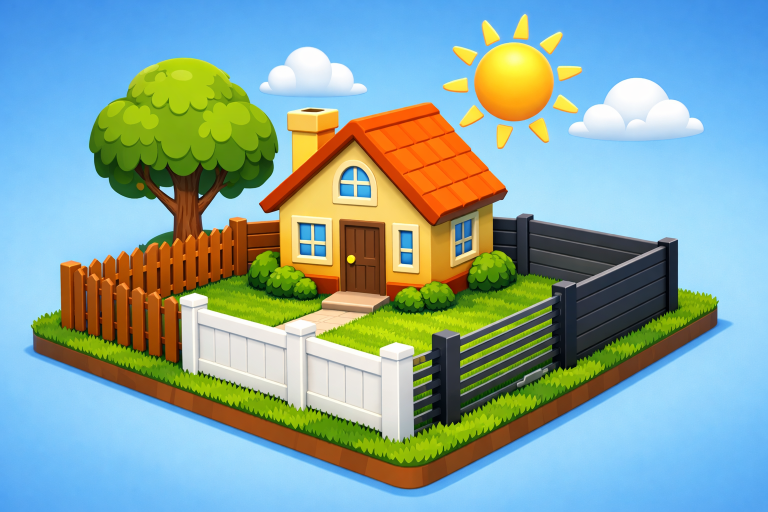
- Wood: This timeless choice works well for classic and rustic settings. While wood offers warmth and extensive style options, it does require staining, sealing, and occasional repairs to prevent rot and insect damage.
- Vinyl: Known for minimal maintenance and lasting durability, vinyl withstands many climatic conditions without warping or fading, although the initial investment is higher than that of other materials.
- Metal (Aluminum or Steel): Both materials deliver security and resilience. Aluminum resists rust and corrosion, making it suitable for humid or coastal regions, while steel is stronger but may need special coatings to prevent rust.
- Composite: Blending wood fibers and plastic, composite fences combine natural appearance with improved resistance to weather and decay. They generally require less upkeep compared to all-wood options.
Additionally, you may want to consider how your choice integrates with gates for your entry points, as the performance and style of gates should align with the rest of your fencing system.
Considering Climate and Maintenance
The region’s weather patterns have a large impact on how different materials perform over time. In areas with high humidity or significant rainfall, wood fencing is more susceptible to swelling, warping, or mold. Metal fences in coastal environments face increased risks of corrosion due to salty air, even for materials like aluminum that resist normal rusting. Vinyl and composite materials typically handle moisture and temperature fluctuations better, though it is important to inspect joints and fasteners periodically.
Maintenance is another ongoing concern. While wood fences demand regular attention, vinyl and metal offer lower upkeep but are less customizable after installation. Think about the time and resources you can commit to annual maintenance when making your decision. For more detailed advice about fence care, reputable resources like Better Homes & Gardens provide helpful insights.
Understanding Local Regulations
Homeowners should research and comply with local zoning ordinances and homeowners’ association (HOA) regulations before starting a fence project. Restrictions may apply to fence height, placement near property lines, and materials, especially in neighborhoods with historic or aesthetic standards. Failing to obtain the proper permits or approvals can result in costly modifications or even removal after installation. Confirming property boundaries using a recent survey can prevent disputes with neighbors, ensuring that your new installation stays within your legal limits.
Design and Aesthetics
Style should complement your home’s architectural lines and landscape design. Traditional homes look elegant with picket or split-rail styles, while modern homes may benefit from horizontal slats or sleek metal panels. The color and texture of the fence should coordinate with exterior finishes and plantings. A well-chosen fence can enhance curb appeal and boost property value by making the entire landscape feel more cohesive. For more inspiration on popular designs, consider reviewing resources from HGTV.
Budget Considerations
Both short-term and long-term costs are factors in the decision-making process. Some materials, such as wood or chain link, have lower installation costs but higher lifetime maintenance expenses. Others, like vinyl or composite, require more upfront investment but pay off through reduced maintenance over the years. When budgeting, be sure to account for extras such as special hardware, paint or stain, and installation charges if you hire professionals. Assess how these choices will affect the overall value of your home and your ongoing maintenance workload.
Professional Installation vs. DIY
Many homeowners are tempted to install fencing themselves to reduce costs. Those with construction experience and the right tools might take on simpler projects like installing panels or pickets. However, professional installation ensures that posts are set correctly, sections are straight and secure, and local codes are met. It can also be faster and more convenient, especially for large properties or complex fence designs.
When making this choice, consider the complexity of your project, your comfort with the required skills and tools, and the potential cost differences. In some cases, it may be wise to hire professionals for critical portions, such as post setting and measuring, and handle simpler parts yourself.
Conclusion
Selecting the right fence for your property is a balance of purpose, material, style, and budget. Understanding each component ensures your investment provides security, privacy, and curb appeal for years to come. Take the time to consider your property’s needs, research local requirements, and weigh the pros and cons of each fencing material and installation method. The right choice will increase your home’s value and your peace of mind.